
Grain and Seed Phenotyping
Built for Research
High-throughput, non-destructive phenotyping and analytical solutions for the grain industry. Quantify morphology, L*a*b* color, defects, and purity with consistent, repeatable measurements. Export bioinformatics-ready CSV/Parquet outputs compatible with R and Python pipelines.

Used By
University and research labs worldwide
Standardized
Protocols across operators and seasons
Publication-Ready Data
Outputs (CSV + images + metadata)
Research-grade
Consistency across sites and time
Used by Leading Institutions
High-throughput phenotyping programs at agricultural universities, research centers, and breeding labs rely on Vibe for reproducible, non-destructive grain and seed imaging with genotype-to-phenotype workflows that stay consistent across operators, seasons, and sites.





Peer-reviewed publications using Vibe instruments
Peer-reviewed evidence from breeding programs and grain quality labs using Vibe for high-throughput phenotyping (HTP), morphological profiling, and non-destructive seed analysis. Browse the publications library for methods, citations, and genotype-to-phenotype research.
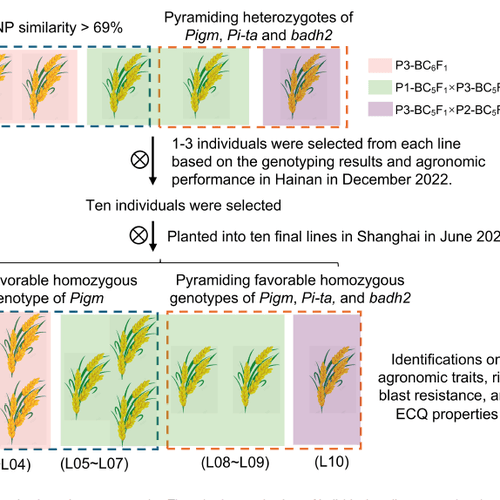
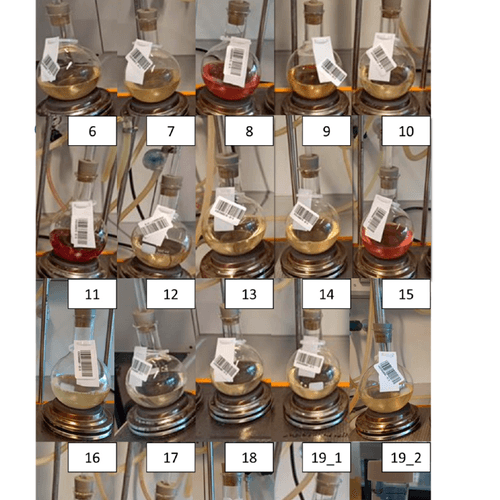
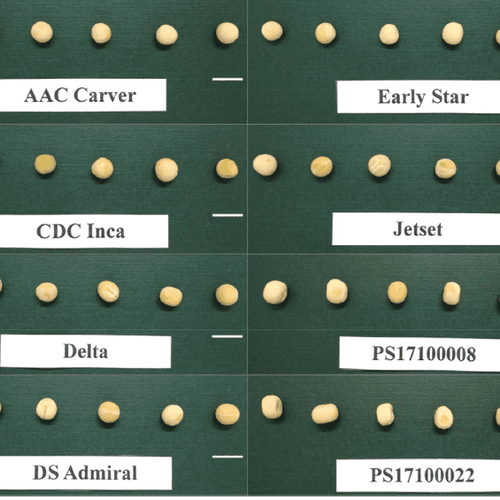
Crop types commonly analyzed in research labs
From morphological profiling to color characterization - workflows handle varieties, mixtures, and custom label definitions for any crop.
Key outputs
Per-kernel morphological profiling, size distributions, broken-grain percentage, defect indicators, purity metrics, and L*a*b* color features, all exportable for downstream bioinformatics and R/Python analysis.
Lab workflows and protocols
Practical workflows for purity testing, grading, defect detection, morphology, and more. Each workflow shows what to measure, how to run it, and which outputs to export. Explore the workflow library for additional examples.
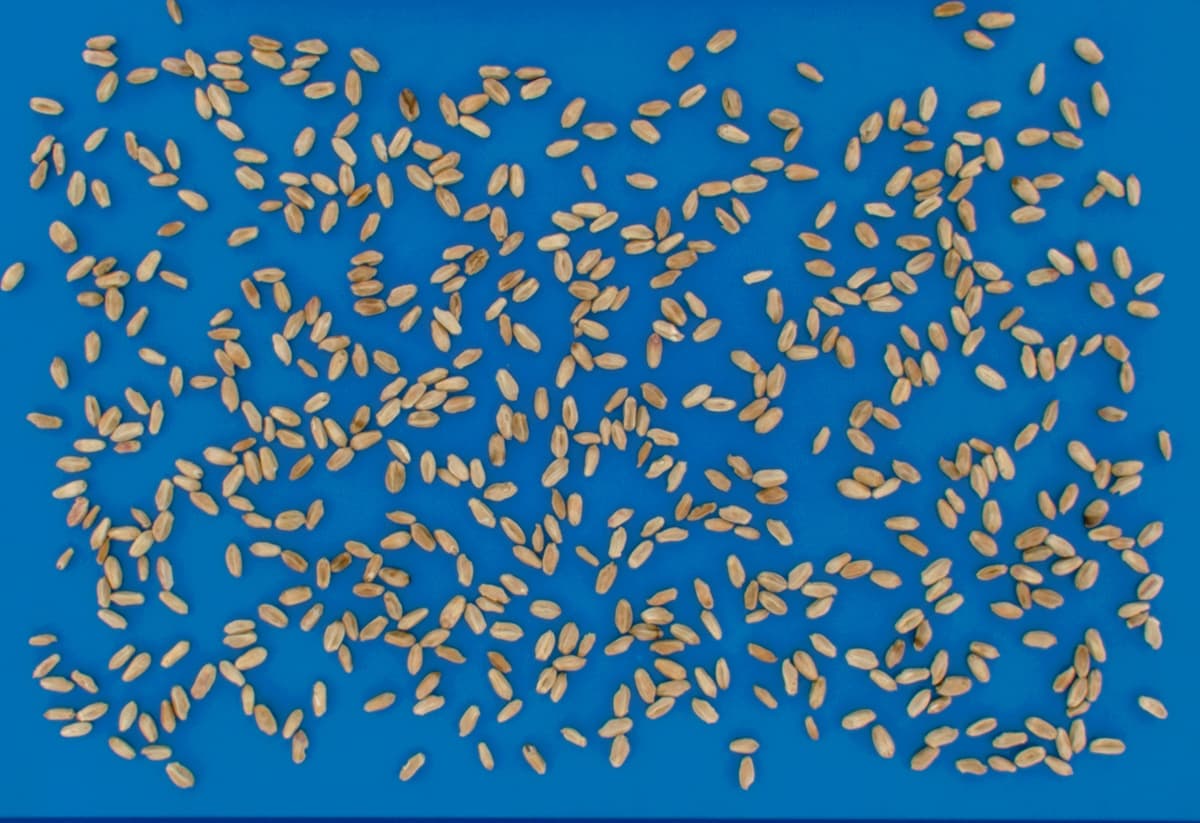
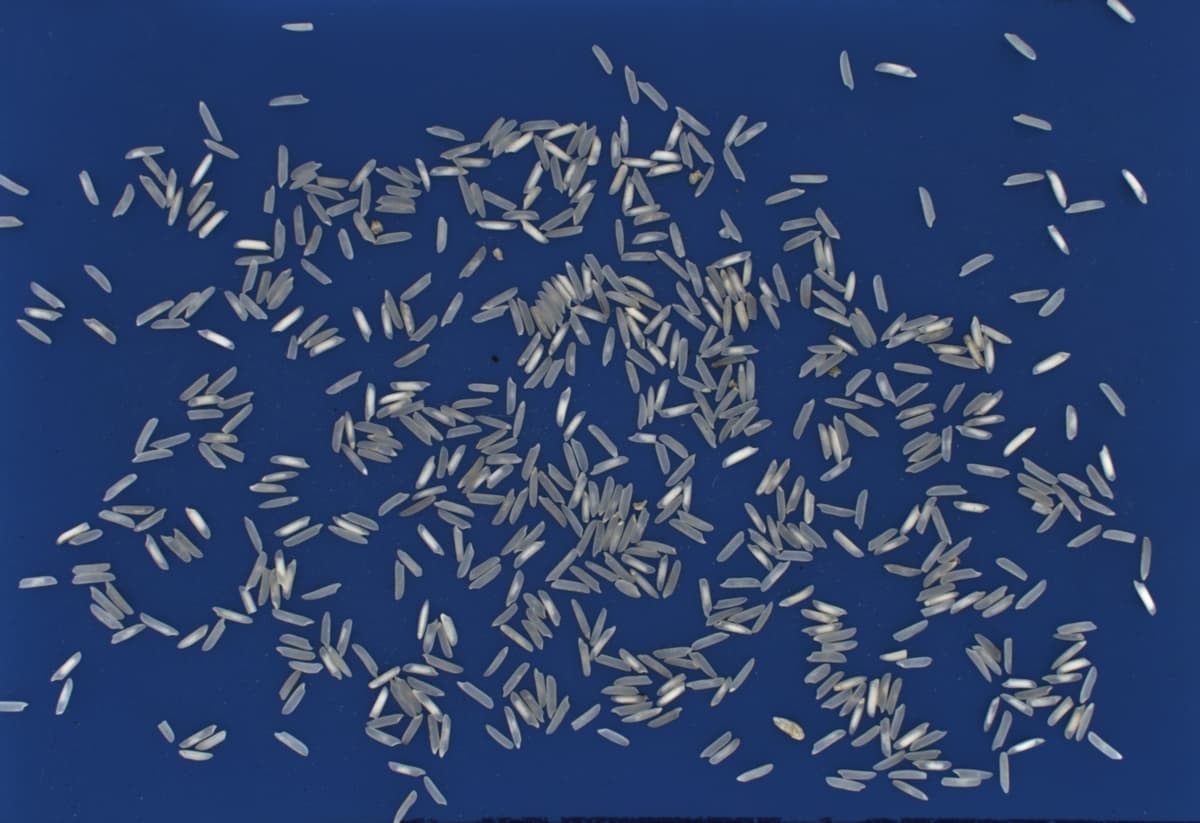
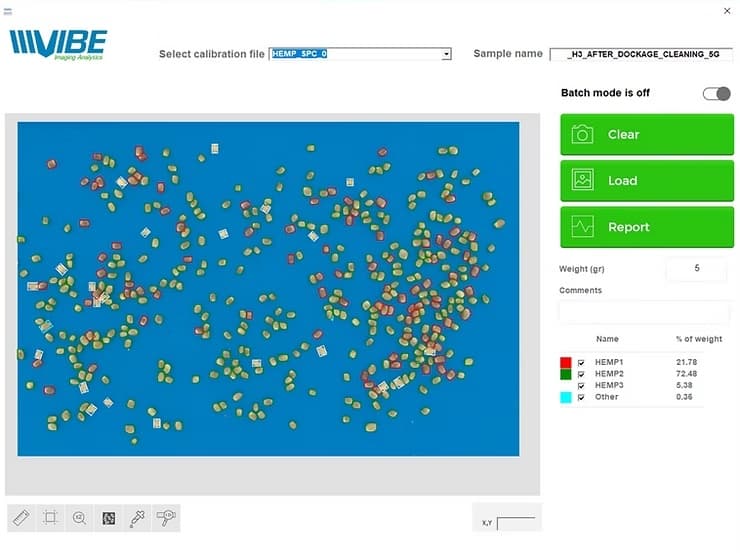
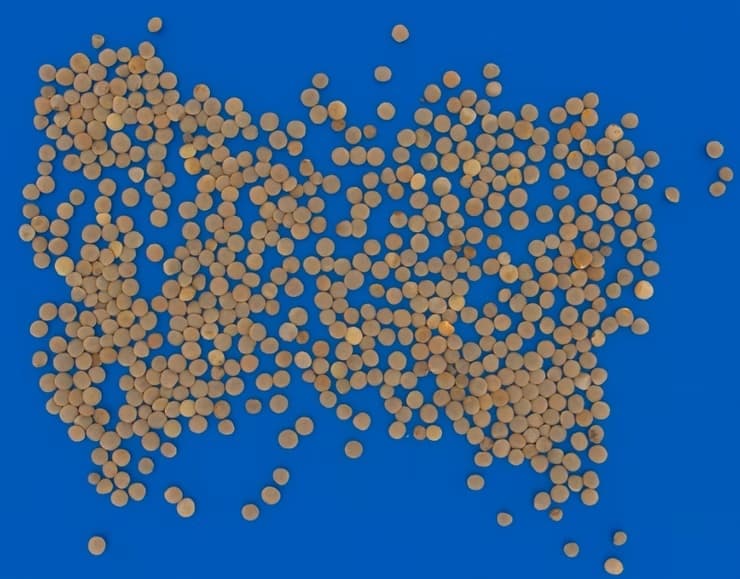
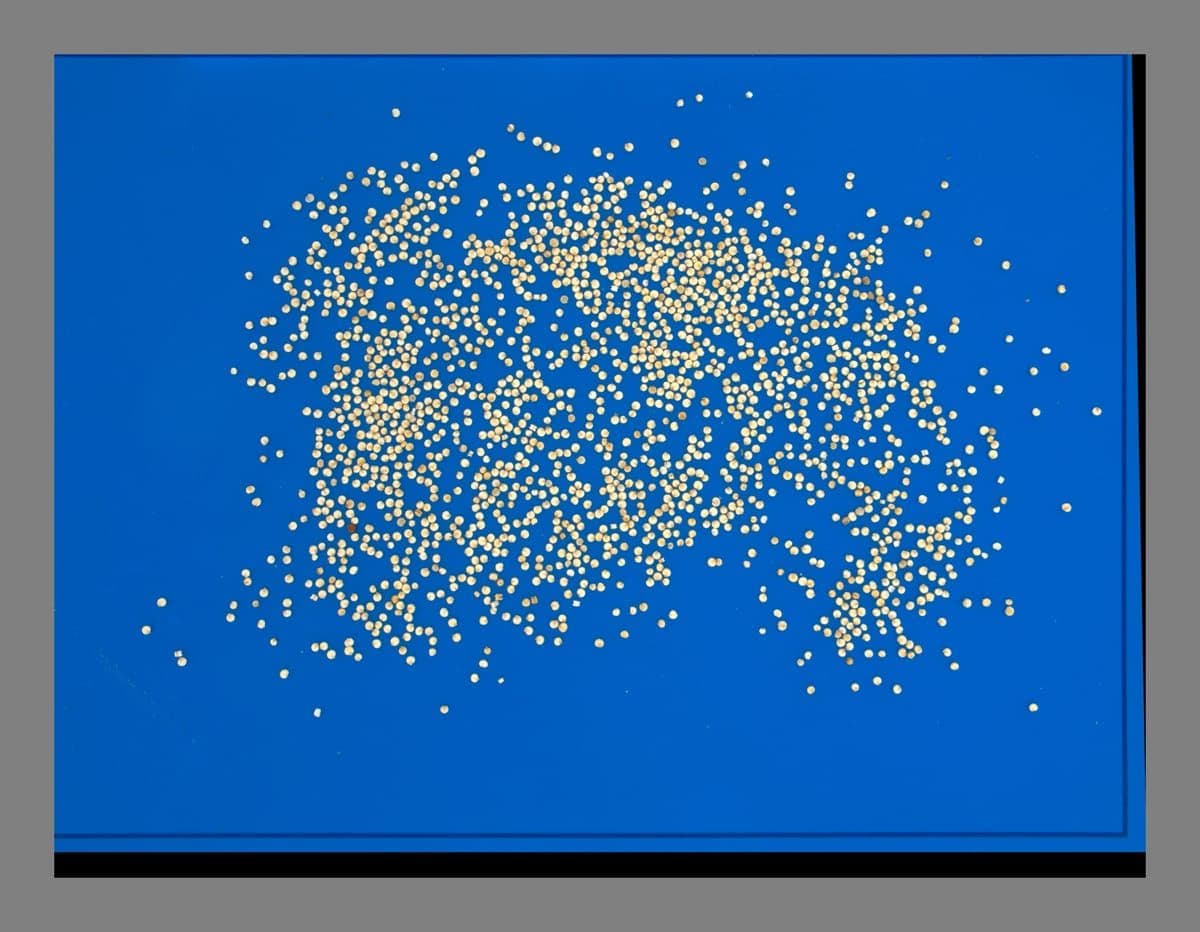
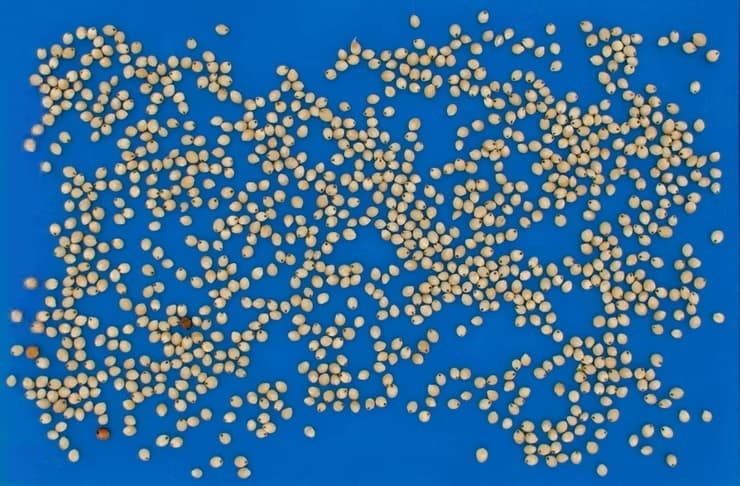
Built for publishable, repeatable grain and seed research
Vibe helps research teams run high-throughput, non-destructive phenotyping with consistent measurements comparable across operators, seasons, and sites. This hub brings together peer-reviewed publications, bioinformatics-ready datasets, and validated laboratory workflows.
Common questions from research teams
Short answers focused on repeatability, workflows, and exports.
Vibe is a high-throughput, non-destructive imaging platform for reproducible grain and seed phenotyping, built so research labs get consistent, repeatable measurements for every analysis.
Per-kernel morphological profiling (length, width, area, shape), L*a*b* color, defect indicators, purity, broken-grain percentage, and batch comparisons - all exportable as CSV/Parquet for R and Python pipelines.
Yes. The QM3i Analyzer uses optical imaging - samples are not altered, so the same material remains available for further downstream analysis.
Yes. Exports include structured CSV/Parquet tables with analysis metadata so downstream analysis is fully reproducible and figures can be regenerated without manual steps.
Yes. Rapid, high-throughput analysis makes it practical for large breeding trials and genotype-to-phenotype studies.
Yes. Samples are analyzed sequentially with barcode scanning and results aggregated automatically, designed to support breeding programs with large sample volumes.
Most start with a short demo, confirm the protocol and outputs match their study needs, then run a limited-scope pilot before expanding to more crop types and workflows.